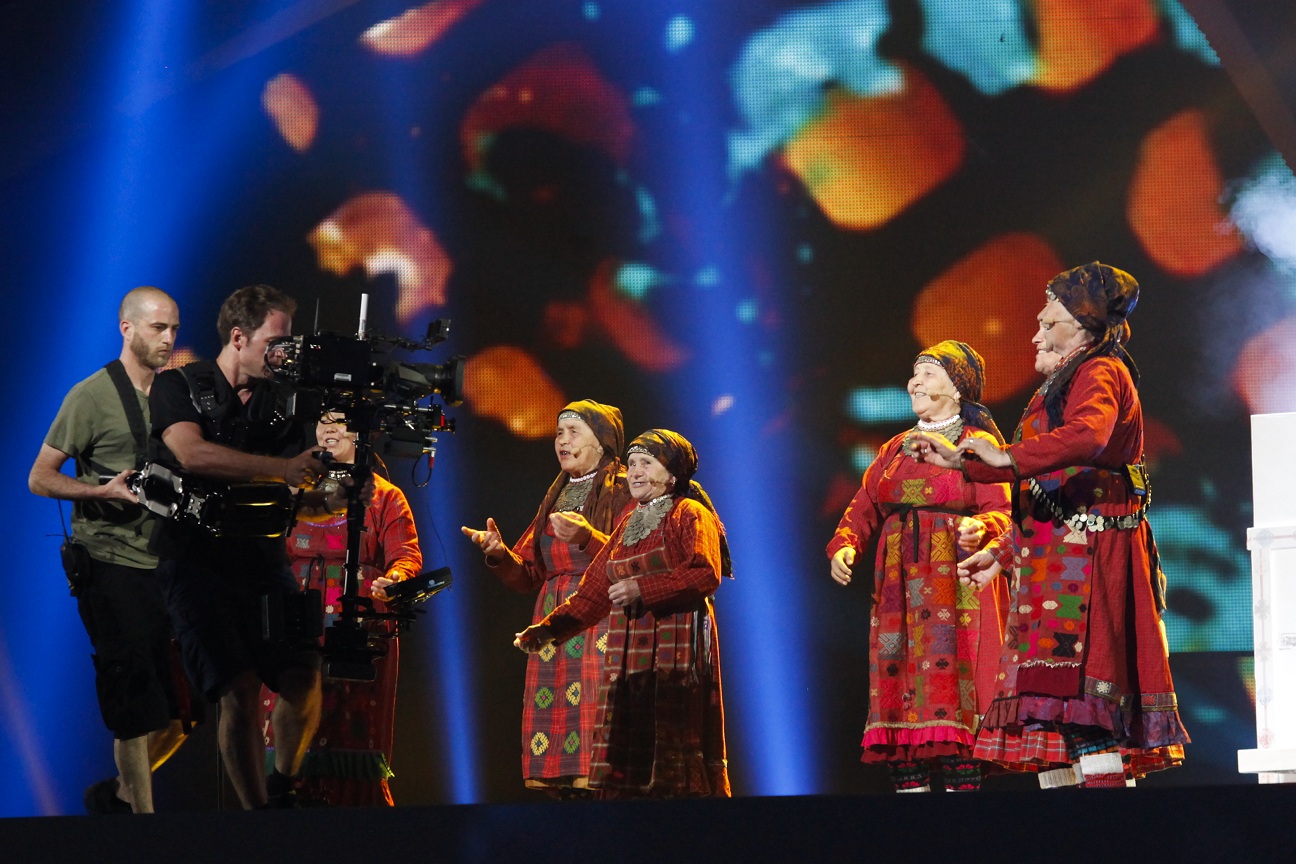
On the Eurovision.tv page, each of the participants in the Eurovision Song Contest is presented with videos, images and more. Readers can share each participant’s page on social networks such as Facebook. In an attempt to predict the outcome of the first semi-final I have looked at how many times each country page has been shared on Facebook and how many times each official video has been viewed.
The overall score shows that Russia and Cyprus are huge favourites, while Switzerland and Belgium may not make it to the final. Late tonight, we will see how accurate these predictions are (I am aware that it is not fool proof, since you are not allowed to vote for your own country for example).
Tonight is the first semi-final of the Eurovision Song Contest 2012 in Baku, Azerbaijan. The contest is sure to spark an enormous amount of acitivity in social media and below you can find an extensive list of official Twitter, YouTube, Facebook, MySpace accounts and more. This list is even more complete than the links on the official Eurovison site. Have fun and may the best songs win.
If there are a lot of negative opinions about your brand, social media may become your worst enemy. We often hear that brands should engage in meaningful conversations with fans through social media. But when there is a lot of controversy or negative opinion around a brand, asking people on social networks to speak up might not turn out the way you expect. McDonald’s experienced this when they initiated the hashtag #McDStories, in an attempt to get people to share nice stories about the fast food giant. Instead, people who disliked the brand, hijacked the hashtag on Twitter and started tweeting complaints and snarky comments.
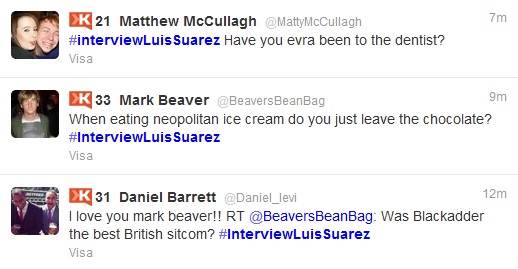
A similar thing is currently happening for the Liverpool FC striker Luis Suárez. He has been involved in a number of contorversial incidents during the football season in the UK, being suspended for racist comments against Manchester United defender Patrice Evra for example. And then later refusing to shake Evra’s hand before a game, later in the season (disclosure: I am a United fan).
But no answers have yet been posted by the forward. That might be due to the fact that the hashtag is more or less filled with accusations about racism and nasty comments about Suarez’ looks.
Once again we see that brands (or celebrities) underestimate the power of social media and that they really have no control over it. If you invite people to participate, they won’t automatically show up and play nice. If your house is not in order, you will learn the hard way what people really think of you.
In social media, it is just as important to know what your fans think as it is to know what your enemies think.
Cinemagr.am is a fun app for creating animated images (GIFs) where only a portion of the frame is animated and the rest is in form of a still shot. The app still doesn’t have a very good web presence, so how do you find your images if you want to embedd them to your blog?
Update Feb 2013: this doesn’t work any longer. I haven’t found a new way to locate your profile page.
Of course you can search for them on Google, but there’s a better way. Go to the app on your smart phone and select the image you want to locate. Press on the share icon on one the image (the icon with three dots in a row). Choose “tweet” to share it on Twitter. You don’t actually have to tweet it, but now you can see the url of the image/video in this format:
When you click on this link, it redirects to a web address that has added the letters “OG” to the url you get a new version (don’t asky me why, it just works). If the link doesn’t redirect you to the longer address, you can add “OG” manually, but please note that the url is case sensitive: http://cinemagr.am/showOG/3905295
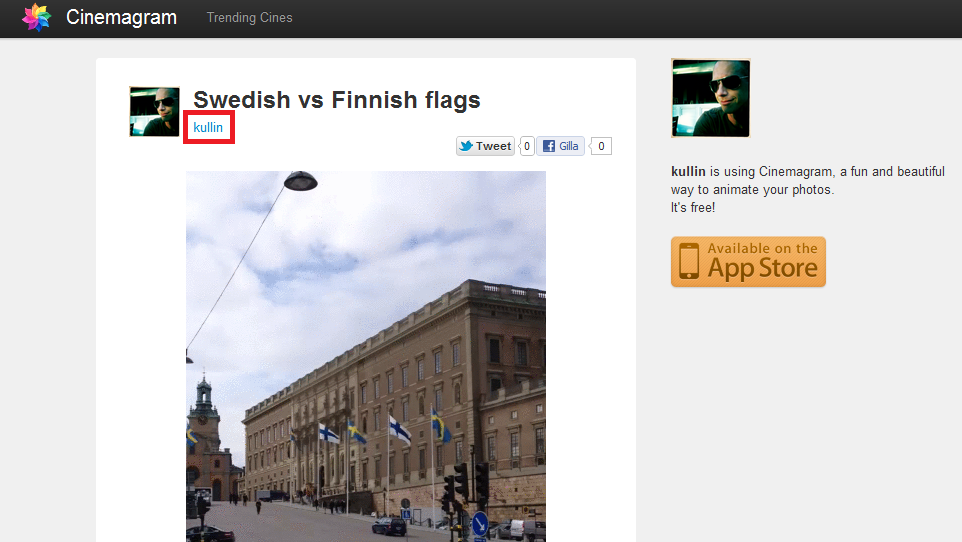
There you see your username, in my case “kullin”. Click on that link to find your profile page which includes your uploads and the images you have liked. http://cinemagr.am/web/user/827705
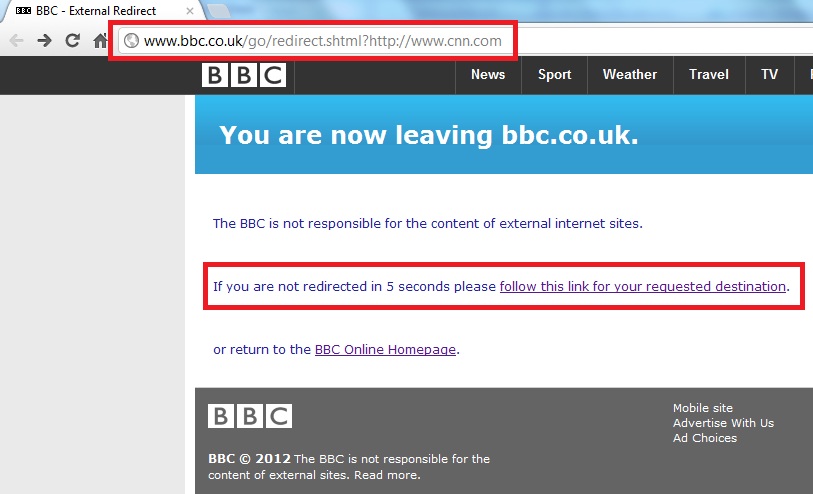
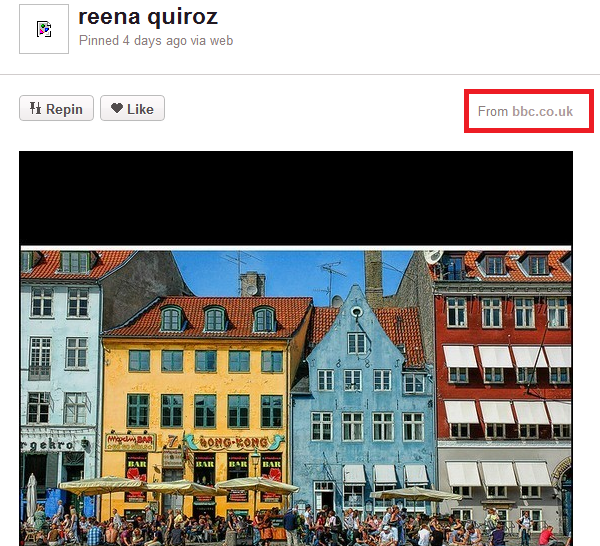
I blogged last week about how spammers on Pinterest used a URL on BBC’s site intended for external redirects. By adding the web address of the spam site to the BBC redirect link, it looked like an image on Pinterest had been pinned from BBC.co.uk, when in reality the link took you to the spammer’s site.
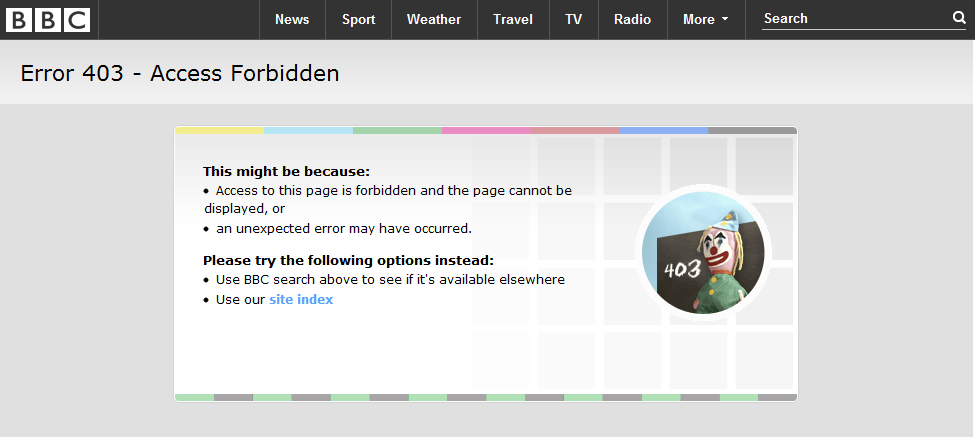
After I blogged about it, the BBC have now closed that opportunity for spammers. The link can no longer be misused.
The issue with spammers that use URL shorteners on Pinterest still remain though.
There is a growing amount of spam on Pinterest and I blogged today on my Swedish blog about how it is easy to replace a link on a pinned image to send unsuspecting users to a spam site. Just replace the image link with a link using a URL shortener and no-one can tell before they clicked the image that they aren’t going to end up on the site where the image was originally published. In my blog post you can see the screen shots from an image of Strandvägen in Stockholm, which if you click on it, sends you to a site selling weight loss pills.
Here’s how it works. Pin an image to Pinterest, then edit the link and add a link to the site you want users to visit. Use a URL shortener to hide the real address. Alternatively you use the BBC redirect scam which works like this. Instead of using a URL shortener, you type the address of the landing page after this BBC redirect URL, example: